
A Remote Worker’s Phone Loss/Theft Playbook
This happened to me while I was working from abroad.
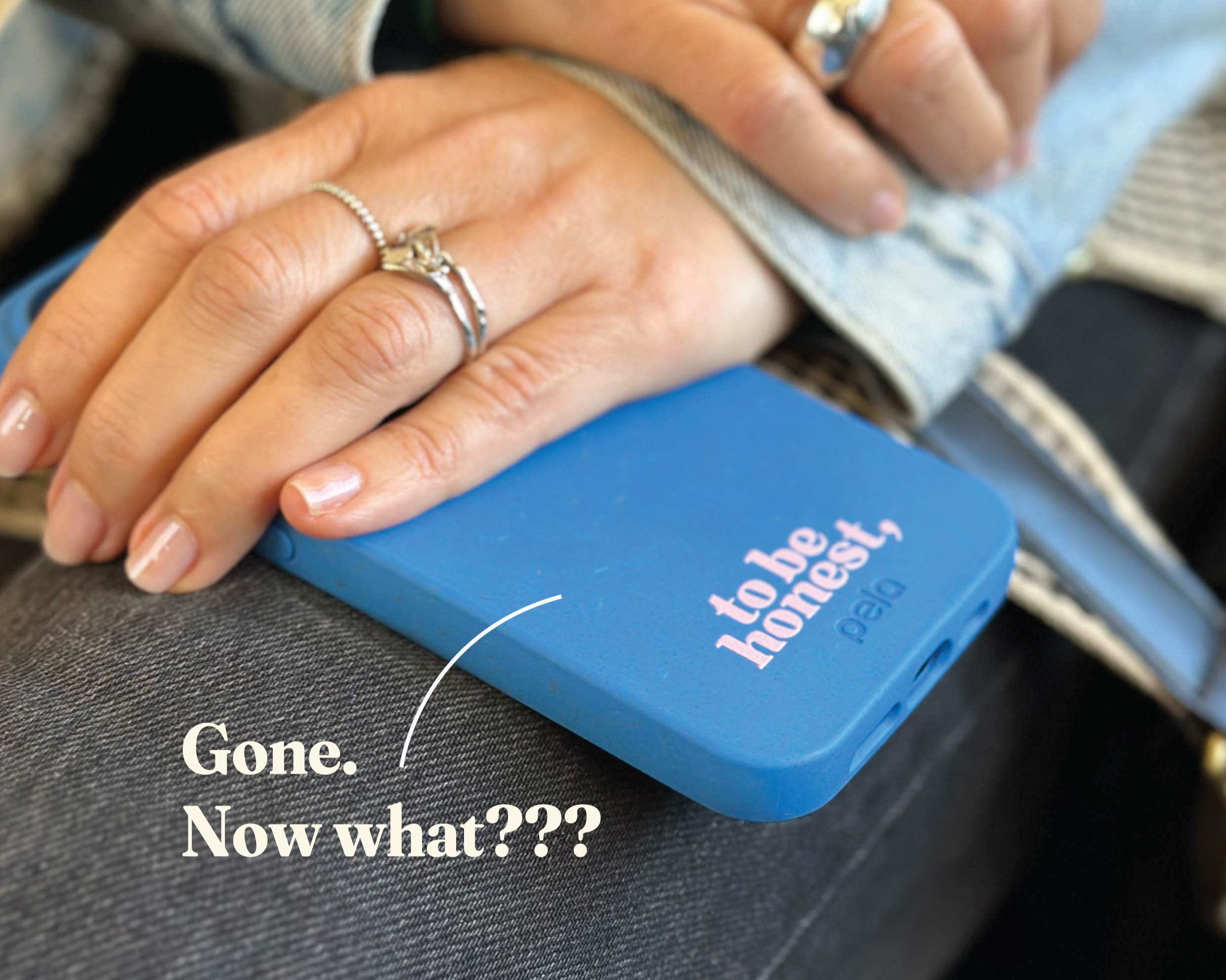
My phone was stolen. Pickpocketed, actually.
And within minutes, something clicked:
Losing my phone was more disruptive than losing my wallet ever would be.
Not because of the device itself. Losing the device is cumbersome, yes.
What really hit me was how disruptive it becomes when everything lives behind it.
Banking. Work. Identity. Verification. Access.
What surprised me was what came after:
As I spoke about it with friends and other remote workers - people who travel constantly, who are capable, organised, smart - I kept hearing the same thing. No-one had a system in place.
No backup phone.
No clear plan.
No idea what to do first.
Or what not to do.
It’s not in our awareness. Until it happens.
And when it does, the absence of a system doesn’t just create inconvenience - it freezes us and our (work)life.
That’s when I realised this isn’t really about phones. It’s about operational self-leadership.
Remote work gives and asks for freedom, flexibility, adaptability. But it also quietly asks for preparation - the kind you only notice when something breaks.
So I sat down and mapped the things I wish I’d had in place.
First, before you even travel: a second phone, simple security settings, access that doesn’t rely on a single SMS, knowing which systems can and can’t be reached without your device.
Then, the first minutes and hours after a phone is lost or stolen:what actually matters, what can wait and what mistakes make things worse - especially under stress.
And finally, what comes after: how to stay operational, regain access without panic and update your systems so the same vulnerability doesn’t repeat itself.
I turned all of that into a practical checklist (not theory, not tech jargon).
Something you can follow when your nervous system is already stretched.
This is about having something to lean on when systems fail.
The guide is free to download.
If it helps you, share it. If you never need it beyond Part 1, even better.
Love,
Paula
Download your free copy here:
I created the guide I wish I’d had. Not having the steps I share here cost me time, energy, and money - exactly the things you don’t have much of when you’re already in shock.
I’m sharing it freely because if my experience can make someone else’s moment easier, then something good comes out of it.
If you found it useful, you’re welcome to make a symbolic contribution.
Preparation like this can save real time, money, and energy - especially in moments where all three suddenly feel scarce.
Entirely optional. Genuinely appreciated.
Disclaimer: This guide is based on personal experience, current device settings and conversations with others who work and travel remotely.
Systems, providers and security features change over time, so please treat this as practical guidance rather than universal truth or legal advice.